The Copper Sunset Is Here: What School Districts Need to Know About POTS Line Replacement
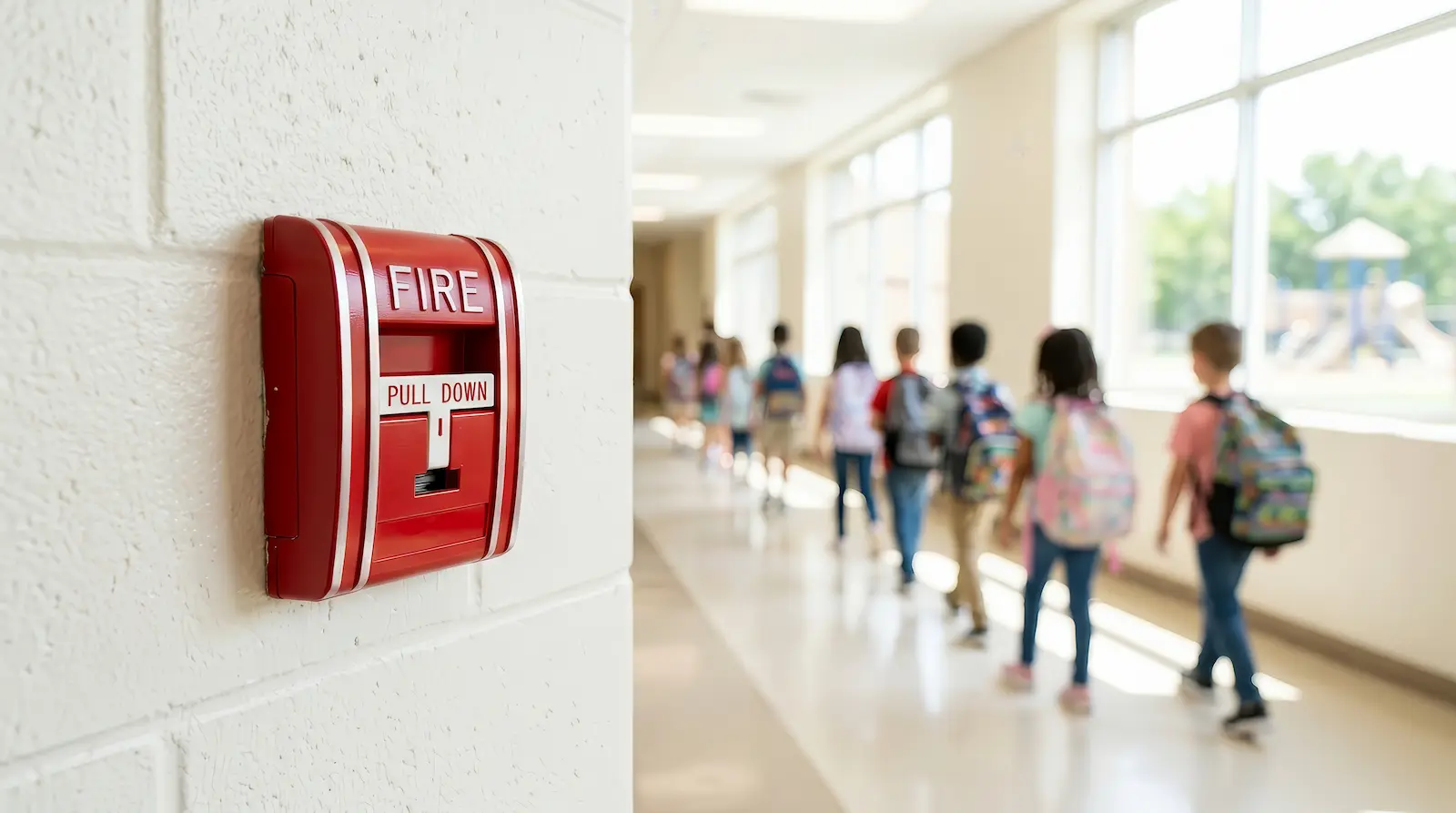
Most districts moved their main phone systems to VoIP years ago, but in many buildings, a few copper lines are still quietly doing important work. They connect the fire alarm panel to the monitoring center, the elevator emergency phone to help, and the security dialer to the people who respond.
Those lines are going away. Across the country, carriers are retiring the copper networks that plain old telephone service (POTS) runs on. For school districts, the lines most likely to be forgotten are often the ones that matter most in an emergency.
Copper is being retired faster than ever
The shift is well underway. The number of traditional retail phone lines in the U.S. fell from 27.2 million in mid-2022 to about 15.0 million by mid-2025, according to FCC data.
The rules have changed, too. Carriers can now retire copper with as little as 30 days' notice. In March 2026, the FCC voted unanimously to remove more filing requirements and let carriers stop offering legacy copper services to new customers.
There's no single shutdown date. Carriers retire copper one wire center at a time, so one campus may get a notice while another across town doesn't.
What's still on copper in your district
Copper lines in schools often support systems that sit outside the main phone system:
- Fire alarm panels that dial out to a monitoring center
- Elevator emergency phones
- Security and intrusion alarm dialers
- Building access and gate systems
- Stadium emergency phones
- Fax machines in nurse's offices, front offices, and administration buildings
- Older intercom or bell systems in buildings that haven't been renovated
Many of these were installed years ago, by different contractors, and may not appear on the IT department's records.
Why you can't just swap in a VoIP line
Life-safety equipment is held to strict codes. Fire alarm communication falls under NFPA 72, and elevator emergency phones fall under ASME A17.1. A standard VoIP line doesn't automatically meet those requirements.
There are practical differences, too:
- Power: copper lines are powered by the carrier, so they work in a power outage. Replacement devices need local battery backup.
- Signaling: fire panels, fax machines, and alarm dialers use specific tones and formats. Each one needs to be tested on the new service.
- 911 location: every replacement line needs accurate location information so emergency responders know where to go.
A five-step plan for districts
- Inventory every line. For each campus, list the circuit, what it connects to, who installed it, and which code applies. Check carrier bills for lines no one recognizes.
- Prioritize life-safety lines. Fire, elevator, and security lines come first, especially at campuses in areas where carriers have already sent notices.
- Pilot before you roll out. Test one of each device type, such as a fire panel, an elevator phone, and a fax line, before replacing lines across the district.
- Test power, signaling, and 911. Confirm battery backup, alarm signals, and 911 location at every site, and coordinate with your fire marshal and elevator inspector.
- Phase the rollout. Move campus by campus, with clear acceptance checks for each device type and a fallback plan if something fails.
Plan now, not after the notice arrives
Thirty days is enough time to carry out a plan you already have. It's not much time to build one across multiple campuses, order equipment, and schedule inspections, especially during the school year.
The districts in the best position are the ones that know exactly what's on copper today.
Not sure what's still running on copper at your campuses? Talk to the Verge team about a POTS line review for your district.
Built for Your World
Every industry has unique needs—and Verge understands the details. We’ve spent over two decades building solutions that align with the operational, regulatory, and customer demands of your sector.