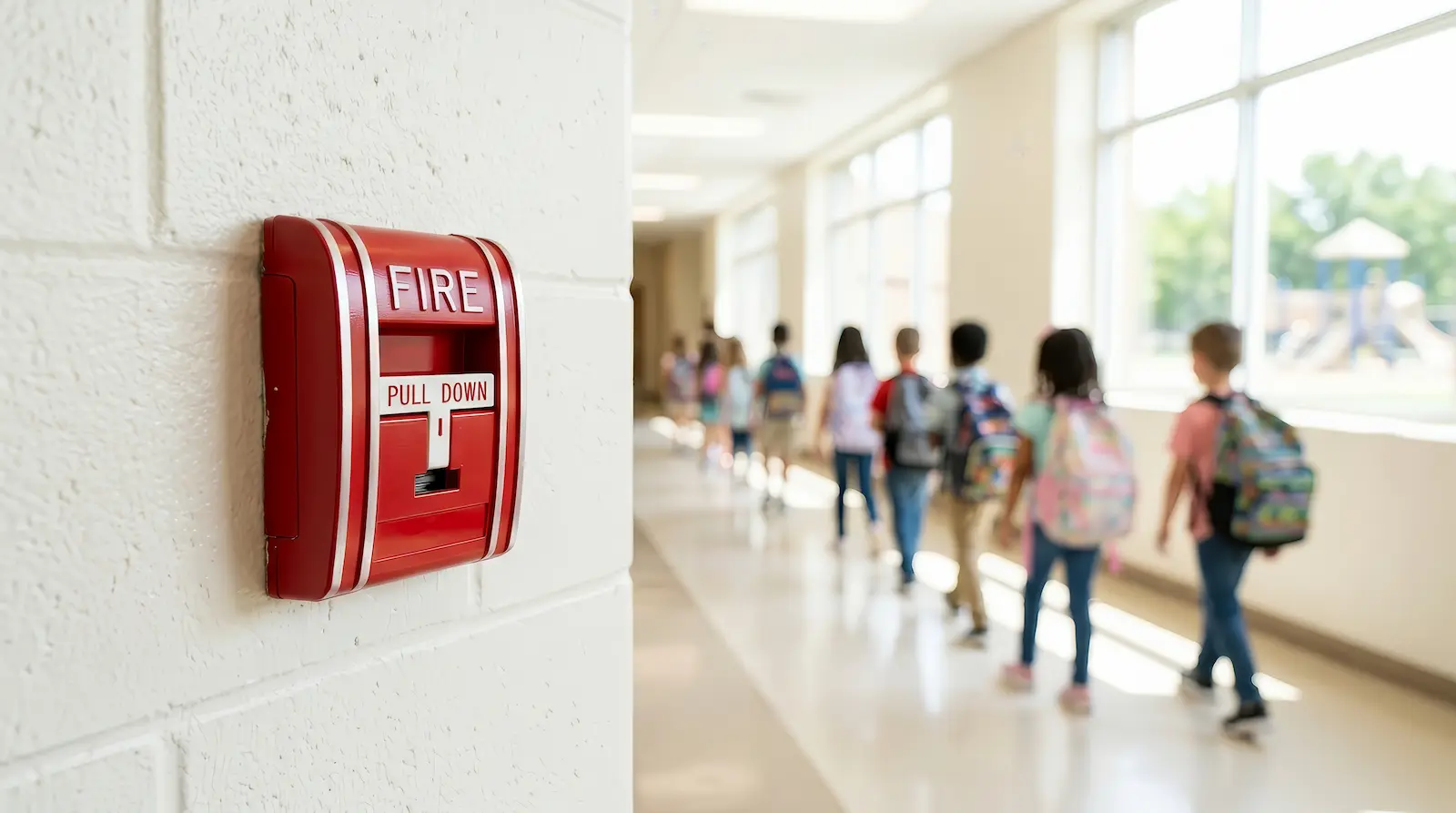
Why K–12 Schools are a Top Target for Cyber Attacks
According to multiple cybersecurity reports from Fortinet, CISA, and the FBI, education consistently ranks among the most attacked sectors for ransomware, phishing, and malware infiltration. Schools often operate with:
- Limited IT staff and budgets
- Legacy infrastructure mixed with modern cloud tools
- Thousands of student and staff devices
- Open networks designed for accessibility
- Strict student data privacy requirements (FERPA, COPPA, CIPA)
This creates the perfect storm for attackers.
Phishing emails aimed at staff.
Ransomware that locks down student records.
Malware introduced through unmanaged student devices.
Shadow IT and unauthorized applications in classrooms.
All while IT teams are simply trying to keep learning running.
The Hidden Risk: You Can’t Protect What You Can’t See
Many districts believe they are “covered” because they have a firewall, antivirus, or content filter in place, but modern threats bypass traditional defenses.
What schools often lack is visibility:
- Which devices are actually at risk?
- What applications are students and staff using?
- Where malware or botnet traffic may already exist
- How exposed email and cloud applications are to phishing and malicious attachments
- Whether bandwidth and network performance can safely support today’s digital learning environment
This is exactly where most vulnerabilities hide.
The biggest value for districts is uncovering the risks already present inside the network—without disrupting daily operations.
Student & Staff Online Accountability Matters More Than Ever
Modern classrooms rely on YouTube, Google Classroom, online research tools, social platforms, and countless educational apps. Without clear visibility, districts struggle to answer:
- Are these applications aligned with acceptable use policies?
- Are students accessing risky or non-compliant content?
- Is shadow IT creating exposure to data leaks?
- Are unsanctioned cloud tools being used to store school data?
A cybersecurity strategy for schools must include application insight and user behavior visibility, not just perimeter protection.
Bandwidth, Performance, & Security are Now Connected
With 1:1 device initiatives, online testing mandates, and cloud-based curriculum tools, peak-hour bandwidth usage is at an all-time high for districts.
What many schools don’t realize is:
Network stress and cybersecurity risk are directly related.
When networks are overutilized:
- Security tools can fail to inspect traffic properly
- Performance bottlenecks hide malicious activity
- IT teams are forced to prioritize uptime over investigation
Verge Network Solutions works with educational institutions to specifically evaluate network utilization and performance during school hours to ensure the environment can securely support modern learning.
Email & Cloud Applications: The Largest Entry Point for Attacks
Fortinet research consistently shows that phishing emails and malicious attachments remain the #1 entry point for ransomware in education.
School staff are targeted daily with:
- Fake invoice emails
- Password reset requests
- Cloud file sharing links
- Compromised vendor emails
Without deep inspection of email exposure and risky web applications, districts remain vulnerable.
What a Modern Cybersecurity Approach for Schools Looks Like
A modern approach is not just “buy another firewall.”
It starts with understanding:
- Where vulnerabilities already exist
- How the network is truly being used
- Which devices and applications create the most risk
- Whether existing defenses are actually working
- How to prioritize improvements without wasting budget
That’s why Verge, in partnership with industry-leading cybersecurity technologies like Fortinet, provides a no-disruption Cyber Threat Assessment designed specifically for K–12 environments.The assessment provides:
- A comprehensive security evaluation
- Insight into user and application behavior
- Network utilization and performance analysis
- Email and application risk visibility
- A detailed, actionable report with recommended next steps
No obligation. No downtime. Just clarity.
Protecting Student Data is About Trust
A single breach can:
- Expose student records
- Disrupt learning for days or weeks
- Create public trust issues in the district
- Trigger compliance investigations
- Cost hundreds of thousands in recovery
Cybersecurity in schools is no longer just an IT responsibility. It’s a student safety, district reputation, and community trust issue.
Don’t Wait for an Incident to Reveal the Weak Points
Most districts only discover their vulnerabilities after an attack. The smarter approach is to uncover them before attackers do.
Verge’s education-focused security specialists understand the challenges K–12 IT teams face—limited budgets, legacy systems, compliance requirements, and the need to maintain uninterrupted learning. We work with you to get ahead of the threat—protecting your students, staff, and data from evolving cyber threats.
Schedule a Cyber Threat Assessment with Verge Network Solutions and gain visibility into the risks hiding inside your network—before they become front-page news.
Built for Your World
Every industry has unique needs—and Verge understands the details. We’ve spent over two decades building solutions that align with the operational, regulatory, and customer demands of your sector.